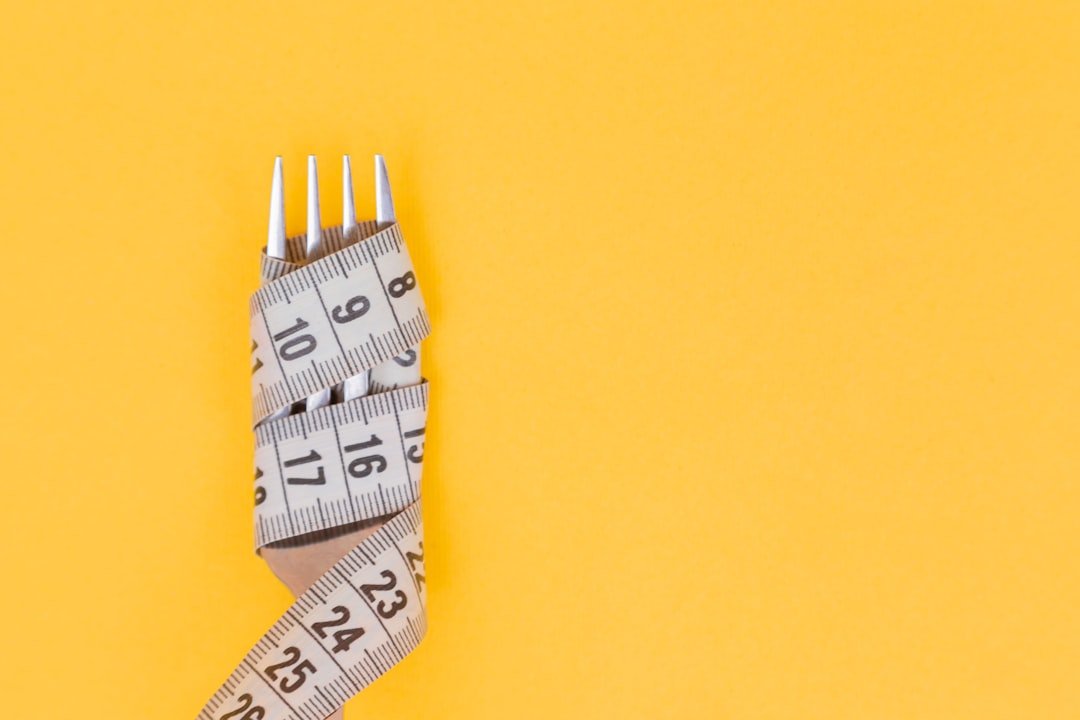
Establishing realistic goals is a fundamental step in any fitness journey. It is essential to understand that setting unattainable objectives can lead to frustration and disappointment, which may ultimately derail progress. Instead, individuals should focus on SMART goals—Specific, Measurable, Achievable, Relevant, and Time-bound.
For instance, rather than stating a vague intention to “get fit,” one might set a goal to run a 5K in under 30 minutes within three months. This approach not only provides clarity but also creates a structured path toward achievement. Moreover, breaking down larger goals into smaller, manageable milestones can enhance motivation and provide a sense of accomplishment along the way.
If the ultimate aim is to lose 20 pounds, setting a target of losing 1-2 pounds per week can make the process feel less daunting. Celebrating these small victories, such as completing a week of workouts or sticking to a meal plan, reinforces positive behavior and encourages continued effort. By focusing on incremental progress, individuals can maintain their enthusiasm and commitment to their fitness journey.
Key Takeaways
- Set specific, achievable goals to stay motivated and track progress
- Plan meals ahead of time to ensure a balanced and nutritious diet
- Incorporate HIIT workouts for efficient calorie burning and muscle building
- Use bodyweight exercises for a convenient and effective workout
- Look for affordable protein sources like eggs, beans, and Greek yogurt for muscle recovery
- Take advantage of free fitness resources such as workout videos and apps
- Prioritize sleep and recovery to support muscle growth and overall well-being
- Track progress and make adjustments to your fitness and nutrition plan as needed
Creating a Meal Plan
A well-structured meal plan is crucial for anyone looking to improve their health and fitness. It serves as a roadmap for nutritional intake, ensuring that individuals consume the right balance of macronutrients—proteins, carbohydrates, and fats—while also incorporating essential vitamins and minerals. When creating a meal plan, it is important to consider personal preferences, dietary restrictions, and lifestyle factors.
For example, someone with a busy schedule may benefit from batch cooking meals on weekends to save time during the week. In addition to convenience, a meal plan can help individuals avoid impulsive eating decisions that often lead to unhealthy choices. By pre-planning meals and snacks, one can ensure that nutritious options are readily available.
Incorporating a variety of foods not only keeps meals interesting but also ensures that the body receives a wide range of nutrients. For instance, including colorful vegetables, whole grains, lean proteins, and healthy fats can create balanced meals that support overall health and fitness goals.
Incorporating High-Intensity Interval Training (HIIT)

High-Intensity Interval Training (HIIT) has gained popularity in recent years due to its efficiency and effectiveness in burning calories and improving cardiovascular fitness. HIIT workouts typically involve short bursts of intense exercise followed by brief recovery periods. This format allows individuals to achieve significant results in a shorter amount of time compared to traditional steady-state cardio workouts.
For example, a 20-minute HIIT session can be just as beneficial as an hour of jogging at a moderate pace. The versatility of HIIT makes it accessible to people of all fitness levels. Beginners can start with lower intensity exercises and gradually increase the intensity as their fitness improves.
A simple HIIT workout might include exercises like jumping jacks, burpees, and mountain climbers, alternating between 30 seconds of maximum effort and 30 seconds of rest. This approach not only boosts metabolism but also enhances endurance and strength. Additionally, HIIT can be easily adapted to fit into any schedule, making it an ideal choice for those with limited time for workouts.
Utilizing Bodyweight Exercises
| Exercise | Reps | Sets |
|---|---|---|
| Push-ups | 15 | 3 |
| Squats | 20 | 3 |
| Plank | 30 seconds | 3 |
| Lunges | 12 each leg | 3 |
Bodyweight exercises are an excellent way to build strength and improve fitness without the need for expensive gym memberships or equipment. These exercises leverage an individual’s own weight as resistance, making them highly effective for developing muscle tone and endurance. Common bodyweight exercises include push-ups, squats, lunges, and planks.
They can be performed anywhere—at home, in a park, or even while traveling—making them incredibly versatile. Incorporating bodyweight exercises into a fitness routine can also enhance functional strength, which is crucial for everyday activities. For instance, squats mimic the motion of sitting down and standing up, while push-ups engage multiple muscle groups used in various daily tasks.
Furthermore, bodyweight workouts can be easily modified to suit different fitness levels; beginners may start with knee push-ups or assisted squats, while advanced individuals can challenge themselves with one-legged variations or explosive movements. This adaptability ensures that bodyweight training remains effective and engaging over time.
Finding Affordable Protein Sources
Protein is an essential macronutrient that plays a vital role in muscle repair and growth, making it particularly important for those engaged in regular physical activity. However, many people believe that high-quality protein sources are prohibitively expensive. In reality, there are numerous affordable options available that can fit into any budget.
For instance, legumes such as lentils and chickpeas are not only rich in protein but also packed with fiber and other nutrients. They can be used in various dishes—from soups to salads—making them a versatile staple. Additionally, eggs are another cost-effective source of protein that can be prepared in numerous ways.
A single egg contains about six grams of protein and is rich in essential amino acids. Canned tuna or salmon also provides a convenient protein source that is often more affordable than fresh fish. Incorporating these budget-friendly protein sources into meals can help individuals meet their nutritional needs without breaking the bank.
Furthermore, buying in bulk or choosing store brands can lead to additional savings while ensuring a steady supply of protein-rich foods.
Making Use of Free Fitness Resources

In today’s digital age, there is an abundance of free fitness resources available online that cater to various interests and fitness levels. From YouTube workout videos to fitness apps offering guided routines, individuals can access high-quality training programs without any financial investment. Many fitness influencers and trainers share their expertise through social media platforms, providing followers with workout ideas, nutrition tips, and motivation.
Local communities often offer free fitness classes or events as well. Parks may host outdoor yoga sessions or group runs that encourage participation from residents at no cost. Additionally, public libraries frequently have fitness DVDs or books available for borrowing, allowing individuals to explore new workout styles or learn about nutrition without spending money.
By taking advantage of these free resources, individuals can diversify their fitness routines while staying within budget.
Prioritizing Sleep and Recovery
While exercise and nutrition are critical components of any fitness regimen, sleep and recovery are equally important yet often overlooked aspects of health. Quality sleep is essential for muscle recovery, hormonal balance, and overall well-being. During sleep, the body undergoes various restorative processes that aid in muscle repair and growth.
Therefore, prioritizing sleep by establishing a consistent sleep schedule and creating a relaxing bedtime routine can significantly enhance performance and recovery. In addition to sleep, incorporating rest days into a workout routine is vital for preventing burnout and injury. Overtraining can lead to fatigue and decreased performance; thus, allowing the body time to recover is crucial for long-term success.
Active recovery days—where individuals engage in low-intensity activities like walking or gentle stretching—can also promote blood flow and aid in recovery without placing additional strain on the body. By recognizing the importance of rest and recovery, individuals can optimize their fitness efforts and achieve sustainable results.
Tracking Progress and Adjusting Accordingly
Monitoring progress is an essential part of any fitness journey as it provides valuable insights into what is working and what may need adjustment. Keeping track of workouts, nutrition intake, and physical changes can help individuals stay accountable to their goals while also identifying patterns over time. Various tools are available for tracking progress—from fitness apps that log workouts to simple journals where individuals can note their achievements.
Regularly assessing progress allows for necessary adjustments to be made in training or nutrition plans. For example, if weight loss plateaus occur despite consistent effort, it may be time to reevaluate caloric intake or increase workout intensity. Similarly, if strength gains stall, incorporating new exercises or varying rep ranges could reignite progress.
By remaining flexible and open to change based on tracked data, individuals can continue moving toward their goals effectively while avoiding frustration or stagnation in their fitness journey.